
Jo Nash Textiles tries to be as sustainable as possible, because one of my aims is to provide British wool products to everyone with as little impact on the environment as possible. As a crafter and creator, I have to start taking more responsibility for saving the planet from climate change and environmental destruction.
Here I summarise how Jo Nash Textiles currently tries to reduce pollution and climate changing emissions.
Cutting carbon
Electricity is my biggest energy source, including heating, so as the energy companies go greener, so do I.
I limit the amount of driving I do to once or twice a week to post parcels or do my shopping. I no longer attend craft fairs, because they are not environmentally friendly, with the travel involved.
All the yarn I use is British wool either processed in Yorkshire or by myself by hand. This reduces the carbon and environmental impact, plus it supports British farmers.
When I can I combine posting with my trips into town, or I use the Royal Mail’s collection service. Again, reducing my carbon footprint.
Water
I use harvested rainwater as far as possible in processing and dyeing the yarn and fibre. My water is also on a meter, so when there is a leak it is fixed rapidly.
Doing more with less
I am a horder, so rarely throw anything away. This means I need to buy in very little, because I reuse or repurpose everything or try to obtain things second hand. I limit my plastic use – although we can all work on this – and try not buy anything produced in China (this is getting harder!). At least wool does not release microplastics!
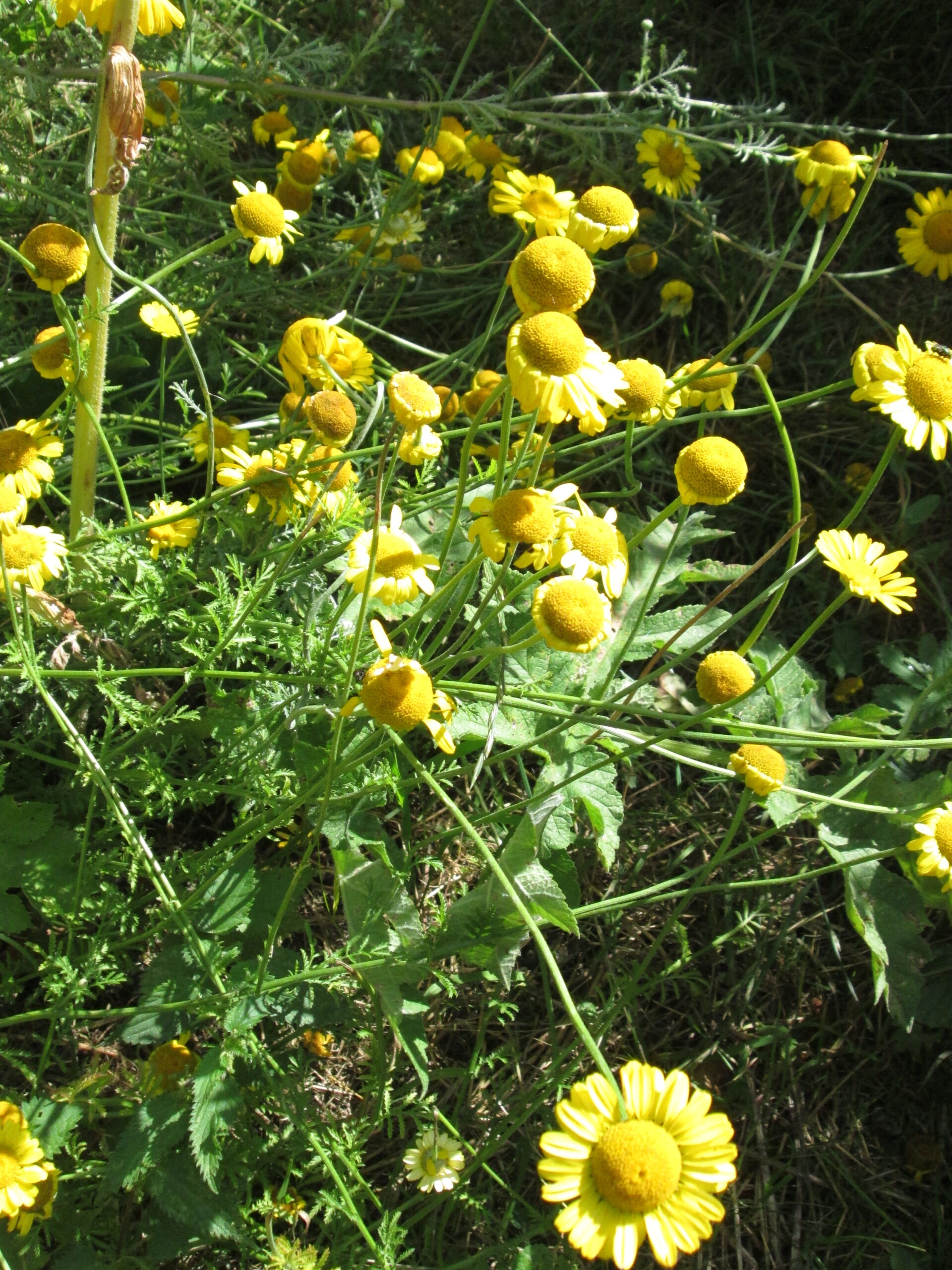
Most of my dye materials are homegrown and the aim is to go totally this way.
I have inherited a range of cotton warping yarn from a range of sources, so using this up limits the carbon miles. All the linen warp is produced in Europe and one day may be British grown again.
Healthy Ecosystems
Apart from where I grow the dye plants and vegetables, most of the rest of the garden is semi-wild (much to the annoyance of my neighbours). I also have a septic tank for my waste disposal, so only use eco-friendly detergents etc in my home. I also compost everything and have a wormery, so have a ready source of organic compost and liquid fertiliser.
I know I have not covered everything and if you have any questions, please feel free to contact me.
Jo
October 2025